Understanding the Role of Vitamins and Supplements in Hair Growth
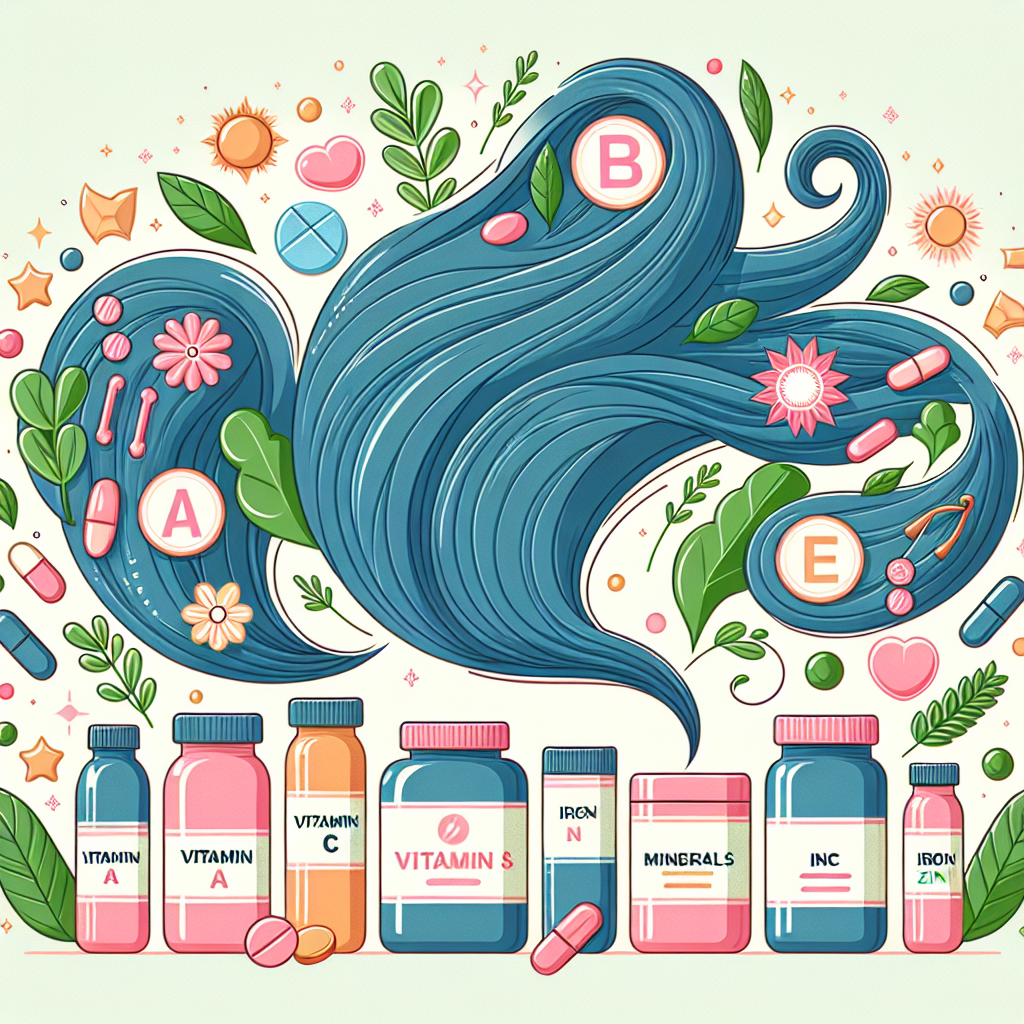
Hair serves as a symbol of health and vitality for many, making hair care a crucial aspect of personal grooming. In the quest for luscious locks, many turn to vitamins and supplements aimed at boosting hair growth and overall health. This blog post delves into how these nutrients work, what benefits they offer, and why they are essential for maintaining robust and healthy hair.
The Science Behind Hair Growth
Before we dive into the world of vitamins and supplements, it’s essential to understand the basics of hair growth. The hair growth cycle consists of three phases: anagen (growth phase), catagen (transitional phase), and telogen (resting phase). An imbalance or disruption in these cycles can lead to hair issues such as thinning or excessive shedding.Genetics, hormones, age, and nutrition are significant factors that impact hair health. While we cannot change our genetics or age, diet and nutritional intake are factors within our control that can significantly alter hair health.
Essential Vitamins for Hair Growth
Vitamin A
Vitamin A plays a vital role in cell growth, including the cells that govern hair health. This vitamin helps the scalp produce sebum, an oily substance that moisturizes the scalp and keeps hair healthy. However, it’s crucial to balance vitamin A intake since too much can lead to hair loss. You can find this vitamin in foods like carrots, spinach, and sweet potatoes.
Biotin (Vitamin B7)
Biotin, also known as vitamin B7, is arguably the most popular vitamin linked to hair growth. Although biotin deficiency is rare, adequate intake can lead to stronger, thicker hair. Biotin improves keratin infrastructure, a protein that makes up your hair. For delicious sources of biotin, reach for eggs, almonds, and avocados.
Vitamin C
Vitamin C is crucial for the production of collagen, a protein that strengthens hair structure. Moreover, vitamin C helps the body absorb iron, another essential nutrient for hair growth. Citrus fruits, strawberries, and bell peppers are all rich sources of Vitamin C.
Vitamin D
Vitamin D is vital for creating new hair follicles and may trigger the follicles to form thicker hair. A deficiency in this vitamin often leads to hair thinning. Expose your skin to sunlight and incorporate foods like fatty fish and fortified dairy into your diet to meet your Vitamin D needs.
Vitamin E
Vitamin E has antioxidant properties that help reduce oxidative stress in the scalp, which can affect hair health. By improving circulation, it supports scalp health, thereby promoting healthy hair. Nuts, seeds, and spinach are excellent sources of Vitamin E.
Powerful Minerals for Hair Growth
Iron
Iron is vital for making red blood cells that carry oxygen to your cells and helps various bodily functions, including hair growth. Low iron levels can lead to hair thinning and hair loss. Boost your iron intake with foods such as red meat, lentils, and spinach.
Zinc
Zinc plays a crucial role in hair tissue growth and repair. It also keeps the oil glands around the hair follicle functioning correctly. Shellfish, beef, and pumpkin seeds are zinc-rich foods you should consider including in your diet.
The Role of Supplements in Hair Care
While a balanced diet should ideally provide the nutrients necessary for healthy hair, modern lifestyles can make it challenging to meet nutritional requirements through food alone. This is where supplements come into play.Multivitamin supplements containing a mix of the essential vitamins and minerals listed above can offer a convenient way to fill dietary gaps. Popular supplements specifically targeted for hair health often include biotin, folic acid, zinc, iron, and omega-3 fatty acids.Omega-3 fatty acids are another valuable addition to your hair supplement regime. Found in fish oil, these fatty acids encourage hair density and reduce hair thinning by nourishing hair follicles from the inside out.
Herbal Supplements for Hair Growth
In addition to vitamins and minerals, several herbal supplements have shown promise in supporting hair health. Some of the most commonly used include:
Saw Palmetto
This herb is often used to combat hair thinning and loss by inhibiting hormone levels that may contribute to hair loss.
Horsetail Extract
Rich in silica, horsetail extract is believed to strengthen hair strands and promote growth.
Ginseng
Often used in traditional Chinese medicine, ginseng has properties that nourish the scalp and support healthy hair growth.
Lifestyle Factors That Complement Hair Growth Supplements
While supplements can significantly help, they work best when paired with a healthy lifestyle. Adequate hydration, a balanced diet, regular exercise, and stress management are all crucial for maintaining optimal hair health.Moreover, scalp care is equally important. Regular scalp massages can improve blood flow and boost the supply of nutrients to your hair follicles, complementing the effects of supplements and bringing you a step closer to your hair goals.
Conclusion: Achieving Optimal Hair Health
Vitamins and supplements can play an integral role in achieving healthier hair, but they should not be considered magic cures. Combining these nutritional aids with a balanced diet, healthy lifestyle, and proper hair care routine is the key to seeing noticeable improvements.Always consult a healthcare provider before starting any supplement regimen, especially if you have existing health conditions or are pregnant. With the right approach, you’ll be well on your way to sporting that healthy scalp and luxurious mane you’ve always wanted.Are you currently incorporating any vitamins or supplements into your hair care routine? Share your experiences or ask your questions in the comments below!