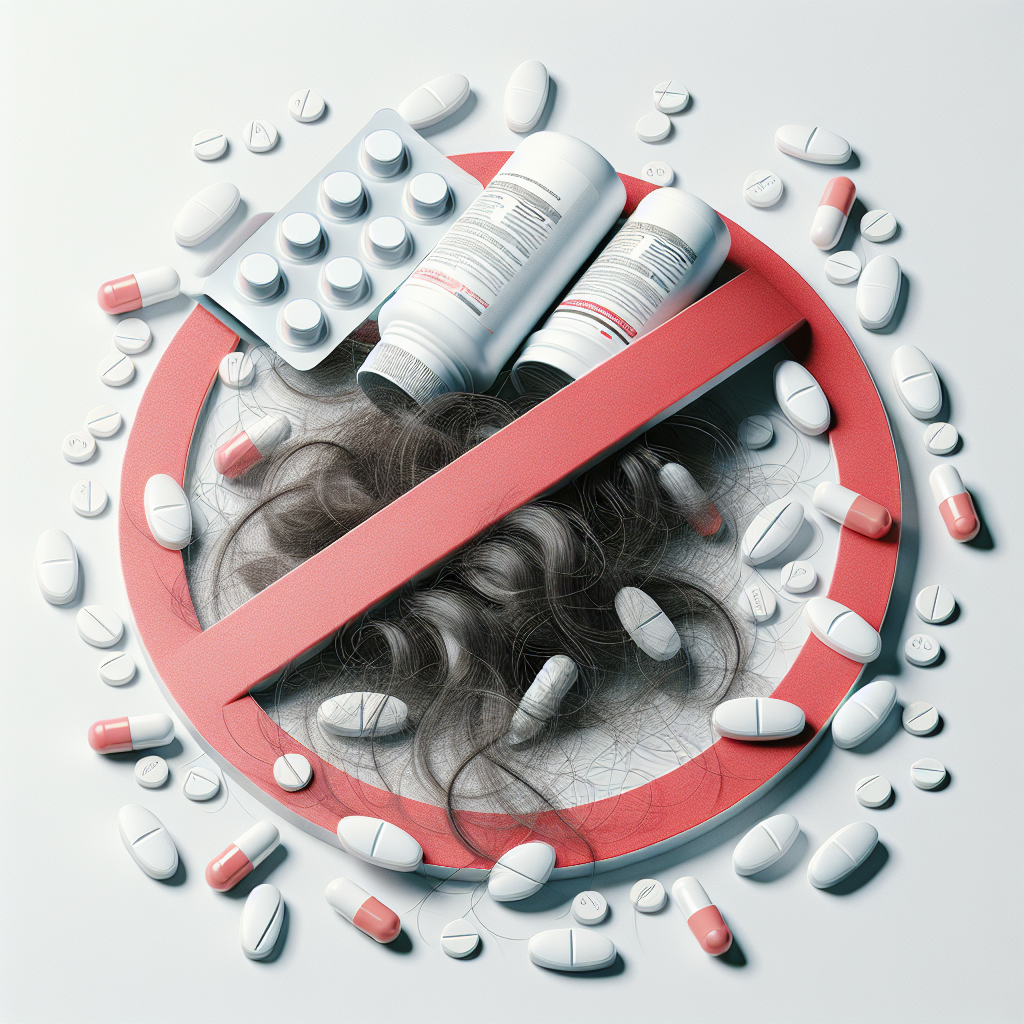
Understanding Hair Loss Due to Medication
How Medications Cause Hair Loss
Anagen Effluvium
Telogen Effluvium
Common Medications Linked to Hair Loss
- Blood Thinners: Anticoagulants like heparin and warfarin are known to cause telogen effluvium.
- Beta-Blockers: Medications like propranolol and metoprolol can also trigger this type of hair loss.
- Antidepressants: Some selective serotonin reuptake inhibitors (SSRIs) and other antidepressants can lead to hair thinning.
- Cholesterol-Lowering Drugs: Statins, specifically atorvastatin and simvastatin, have been linked with hair loss.
- Hormonal Medications: Hormone therapy, including birth control pills and hormone replacement therapy, can also contribute to hair changes.
- Anticonvulsants: Used for treating epilepsy and other conditions, these can potentially cause hair thinning and loss.
Identifying Medication-Induced Hair Loss
Preventing Hair Loss from Medication
- Consult Your Doctor: Before starting any medication, discuss potential side effects and ask about alternatives with fewer risks for hair loss.
- Consider Follicle-Friendly Alternatives: For those on long-term medication, discussing options with a healthcare professional can lead to alternative treatments with a lower risk of hair loss.
- Maintain a Healthy Diet: A diet rich in vitamins and minerals can support hair health. Nutrients like zinc, iron, and vitamins A, B, C, D, and E are essential for maintaining strong, healthy hair.
Treating Hair Loss Due to Medication
- Minoxidil: Often available over the counter, this topical solution can improve hair regrowth and is commonly used to treat hair loss.
- Platelet-Rich Plasma (PRP) Therapy: This involves injecting platelets extracted from your blood into the scalp to stimulate hair growth.
- Nutritional Supplements: Supplements containing biotin, silica, and omega-3 fatty acids can support hair health.
- Change in Medication: Consulting with your doctor to alter your medication, if possible, may help in reducing hair loss.
