How Genetics Impact Hair Loss

Understanding the Genetic Role in Hair Loss

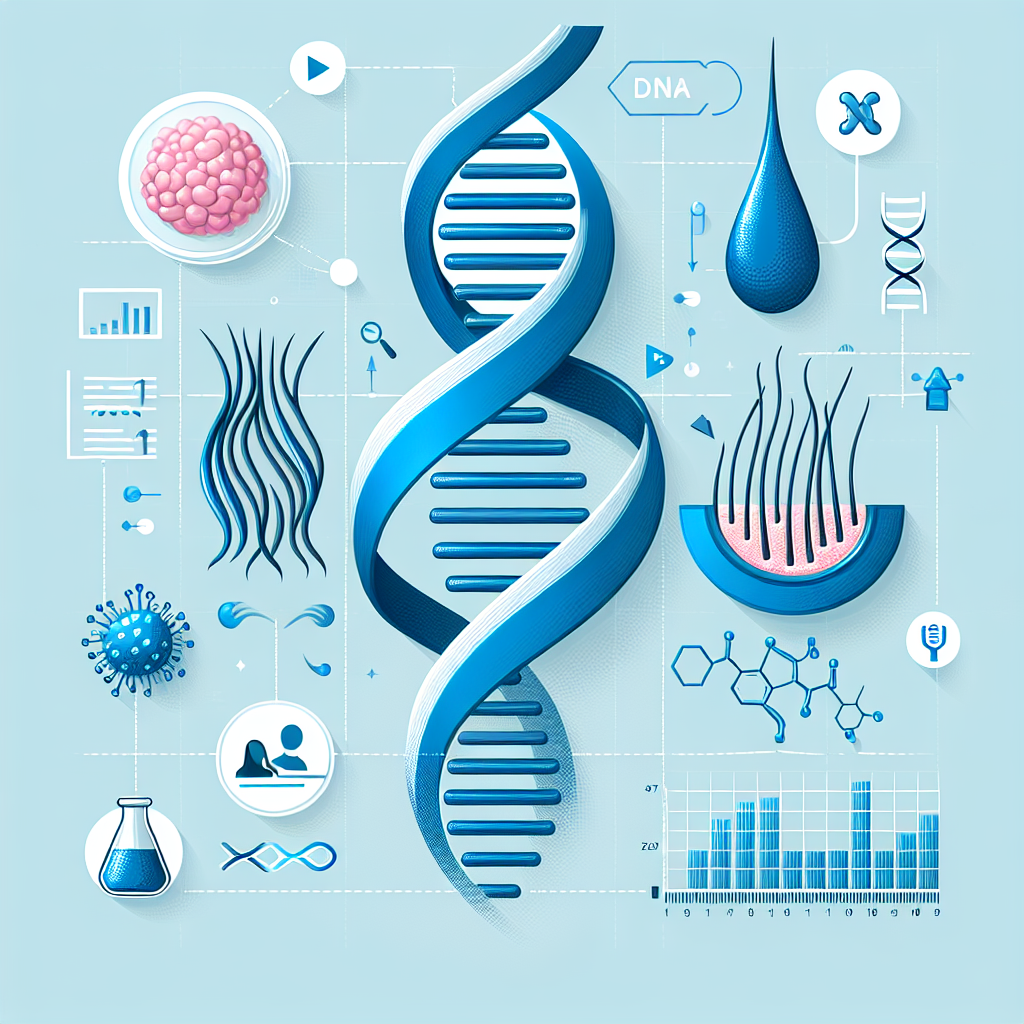
Hair loss, a common concern affecting millions across the globe, is often shrouded in mystery and anxiety. For many, understanding the root causes—literally—of this condition can be a crucial step toward finding solutions or peace with the condition. Genetics play a pivotal role in hair loss, weaving together the intricate tapestry of inheritance, hormones, and cellular processes that dictate when and how hair is lost. By unraveling these genetic secrets, we can better understand why some lose hair earlier than others and explore potential treatments.

What is Hair Loss?

Hair loss, or alopecia, can occur in various forms, from a gradual thinning to complete baldness. It’s normal to lose between 50 and 100 hairs a day, but excessive loss can be troubling. There are many types of hair loss, including:
  • Androgenetic Alopecia (AGA): Also known as male-pattern or female-pattern baldness, this is the most common form of hair loss globally, often linked with genetics and hormones.
  • Alopecia Areata: An autoimmune disorder that causes patchy hair loss.
  • Telogen Effluvium: A temporary form of hair loss due to stress, illness, or hormonal changes.

The Genetic Basis of Hair Loss

The most prevalent form of genetic hair loss is androgenetic alopecia. It’s primarily influenced by several genes that dictate how hair follicles respond to hormones, particularly dihydrotestosterone (DHT).

The Role of the AR Gene

One key player in androgenetic alopecia is the androgen receptor gene (AR), located on the X chromosome. This gene’s variations can affect hair follicles’ sensitivity to DHT. Men inherit an X chromosome from their mothers, explaining the hereditary pattern seen in male-pattern baldness. Interestingly, females can also experience androgenetic alopecia, though it often manifests differently, usually as widespread thinning rather than distinct bald spots.

Polygenic Inheritance

Unlike traits controlled by a single gene, hair loss involves multiple genes contributing to its progression and characteristics. Researchers have identified over 200 genetic markers associated with the condition, illustrating a polygenic inheritance pattern that complicates prediction and prevention strategies.

The Intersection of Genetics and Other Factors

While genetics lay the groundwork for hair loss, other factors also come into play, including lifestyle, diet, and overall health. Here’s how these elements interplay with genetic predispositions:

Hormones and Hair Loss

Testosterone, a hormone present in both men and women, converts into DHT via an enzyme called 5-alpha reductase. This hormone binds to androgen receptors in the scalp, leading to hair follicle shrinkage and shorter hair growth cycles in genetically predisposed individuals.

Lifestyle and Environmental Influences

Stress, smoking, poor diet, and environmental pollutants can exacerbate genetic predispositions. While they may not be the primary cause of hair loss, they can accelerate its progression or exacerbate its severity.

Age and Hair Loss

Genetic hair loss is age-related, progressing faster as individuals age. The hair growth cycle naturally slows, and follicles become smaller in genetically predisposed individuals, leading to more pronounced thinning and balding.

Scientific Advances in Understanding Genetic Hair Loss

Scientific research has made significant strides in understanding the genetic components of hair loss. Genome-wide association studies (GWAS) have identified numerous genetic variants linked to androgenetic alopecia, providing insights into potential treatment targets.

The Future of Personalized Medicine

With advancements in genetic testing, there is potential for personalized medicine approaches to hair loss treatment. By understanding an individual’s genetic makeup, therapies can be tailored to target specific pathways involved in their hair loss, potentially improving outcomes.

Treatment Options and Future Directions

The intersection of genetics and treatment offers hope for those grappling with hair loss. Advances in genetics are guiding new therapeutic developments, such as:

Medications

  • Minoxidil: A topical treatment that can stimulate hair growth in some patients.
  • Finasteride: An oral medication that inhibits 5-alpha reductase, reducing DHT levels.

Gene Therapy and Stem Cells

While still largely experimental, gene therapy aims to correct the genetic causes of hair loss at the source, potentially providing a more permanent solution. Stem cell research is also exploring ways to regenerate hair follicles.

Platelet-Rich Plasma (PRP) Therapy

PRP therapy involves using a concentration of a patient’s own platelets to stimulate hair growth, providing an innovative approach that could complement genetic insights.

Coping with Hair Loss: Emotional and Psychological Aspects

Beyond the genetic and scientific aspects, hair loss can significantly impact an individual’s emotional and psychological well-being. Recognizing this, it’s important to have supportive resources and coping mechanisms in place:
  • Support Groups: Connecting with others experiencing similar challenges can provide comfort and shared coping strategies.
  • Counseling: Professional help can assist in addressing the emotional impacts of hair loss.
  • Prosthetics and Styles: Wigs and hairstyling techniques can boost confidence while exploring more permanent options.

Conclusion: Embracing the Journey

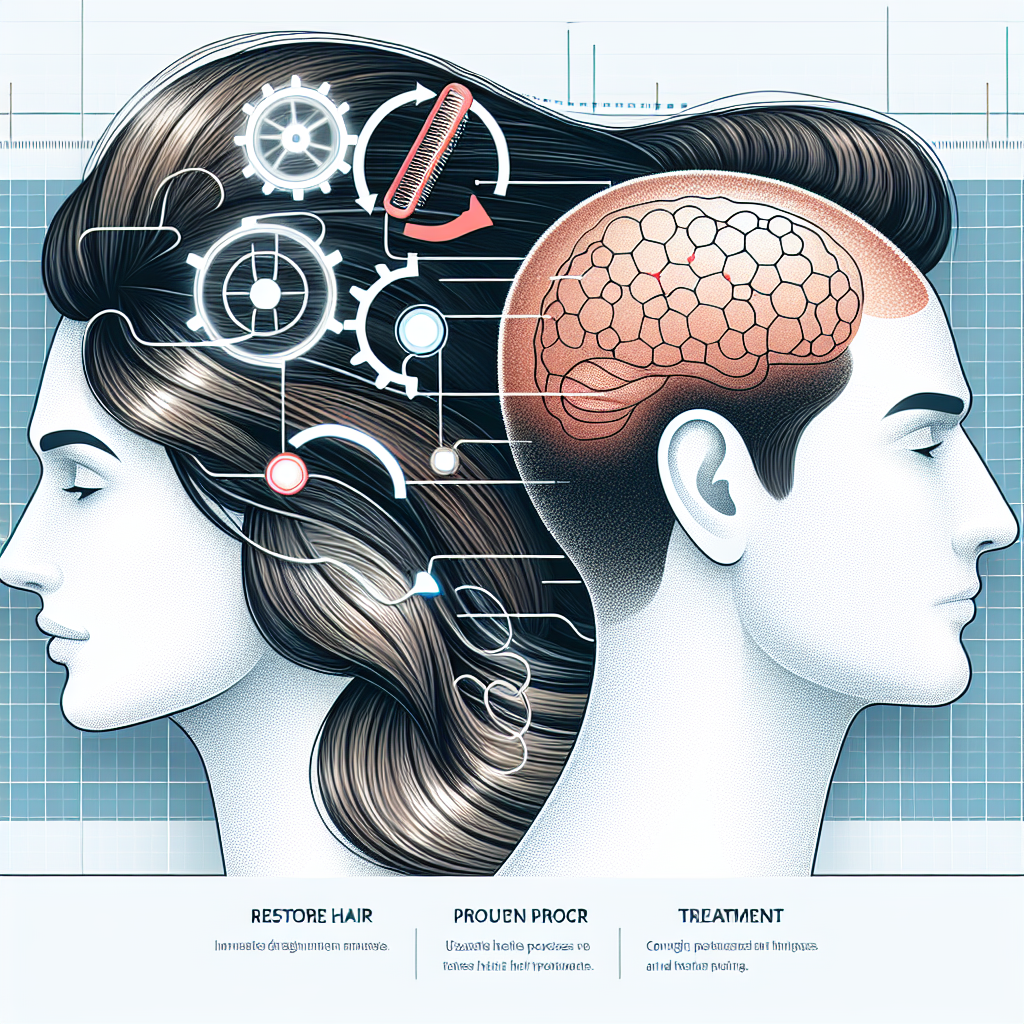
In conclusion, while genetics plays a central role in hair loss, research continues to unlock new pathways for understanding and addressing this condition. A combination of genetic insights and innovative treatments promises new hope for those affected. Moreover, recognizing the emotional impact is crucial, as hair loss is not just a physical condition but an experience that affects many aspects of life. As science progresses, embracing both the biological and personal journey of hair loss will lead to better solutions and a more holistic approach to well-being. Whether through direct genetic intervention, lifestyle adjustments, or psychological support, the path forward holds promise for restoring not just hair but confidence and self-assurance.